Wondering if Omaha is a good place to buy your first investment property? That is a smart question, because this is not a market where you can rely on hype or assume every deal will work. If you want to start real estate investing in Omaha, you need clear numbers, realistic expectations, and a plan that fits your budget and goals. Let’s dive in.
Why Omaha appeals to new investors
Omaha is better understood as a stability market than a fast-growth market. The city had an estimated population of 488,797 in July 2025, with an owner-occupied housing rate of 57.4% and a median gross rent of $1,187. That points to a meaningful renter base, but it also suggests a market where long-term durability matters more than chasing quick appreciation.
The local job market also supports rental demand. In April 2026, the Omaha metro had a civilian labor force of 545,500, 521,300 nonfarm jobs, and an unemployment rate of 3.0%. Large employment categories included education and health services, trade, transportation and utilities, and government.
That mix matters when you are choosing your first deal. A market with steady employment can support consistent rental demand, but it does not remove the need for careful underwriting. In Omaha, your margin for error usually comes from buying right, not from hoping the market bails you out later.
Start with the right investment strategy
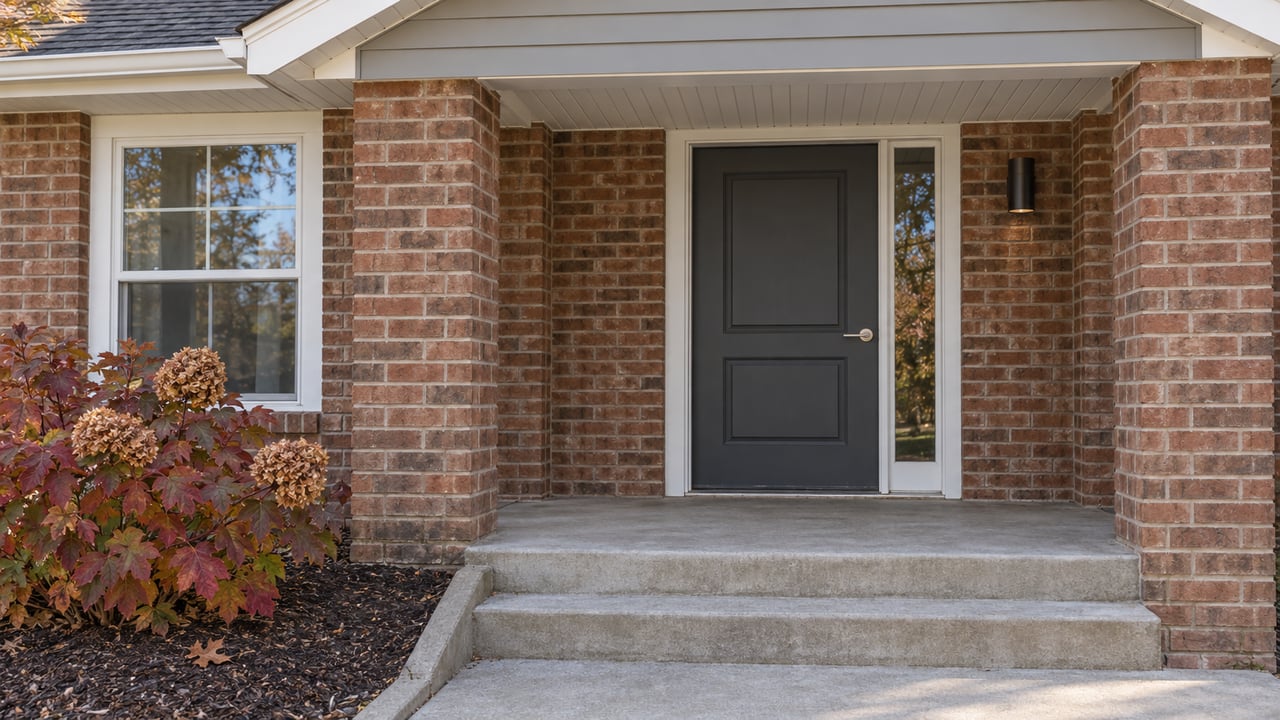
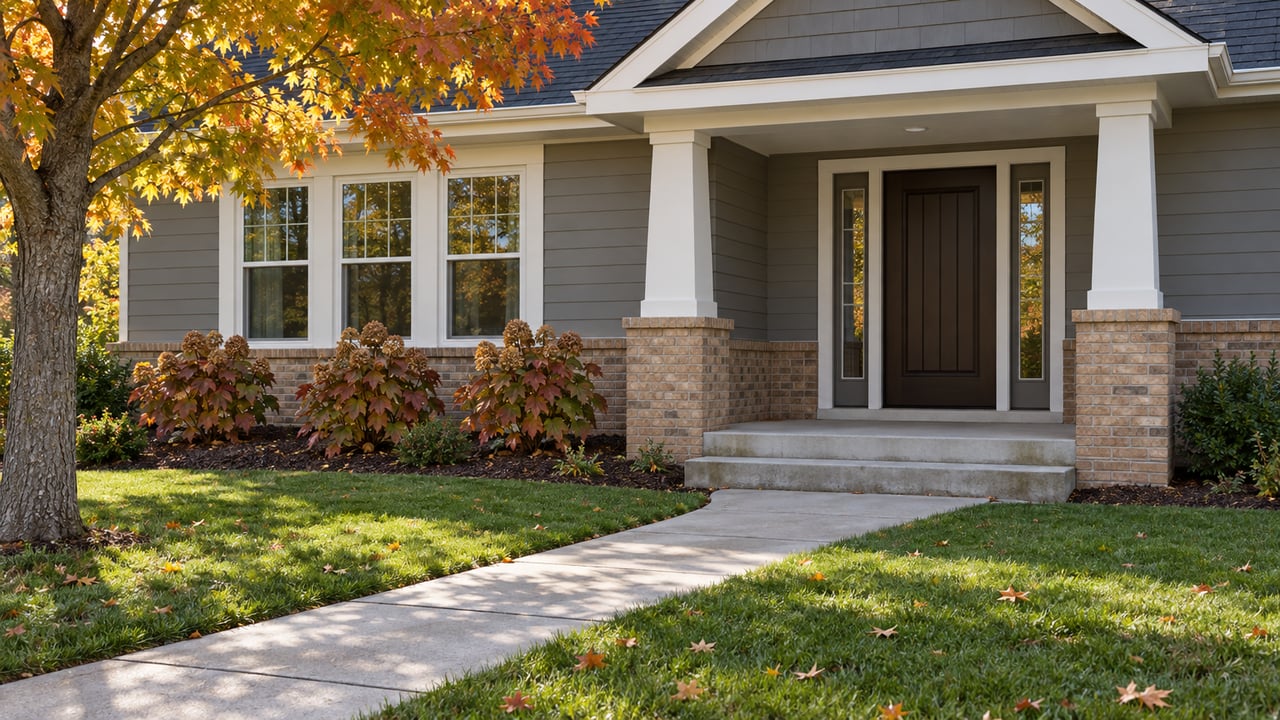
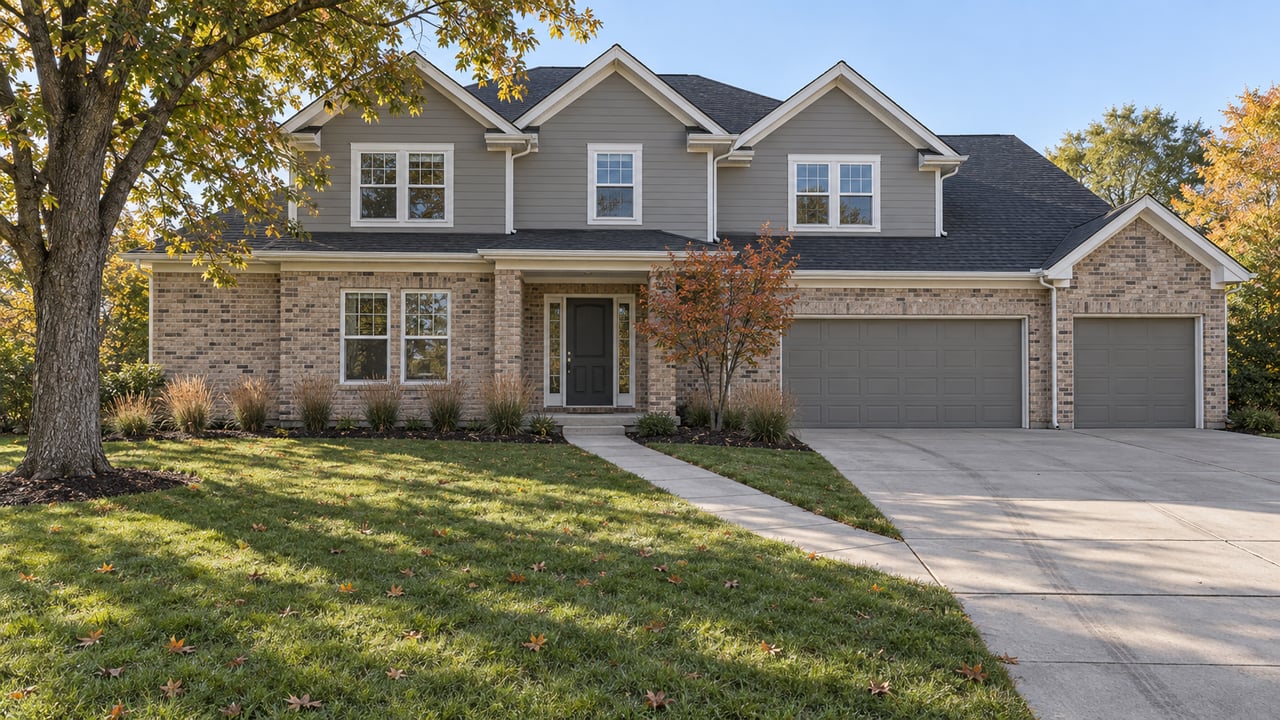
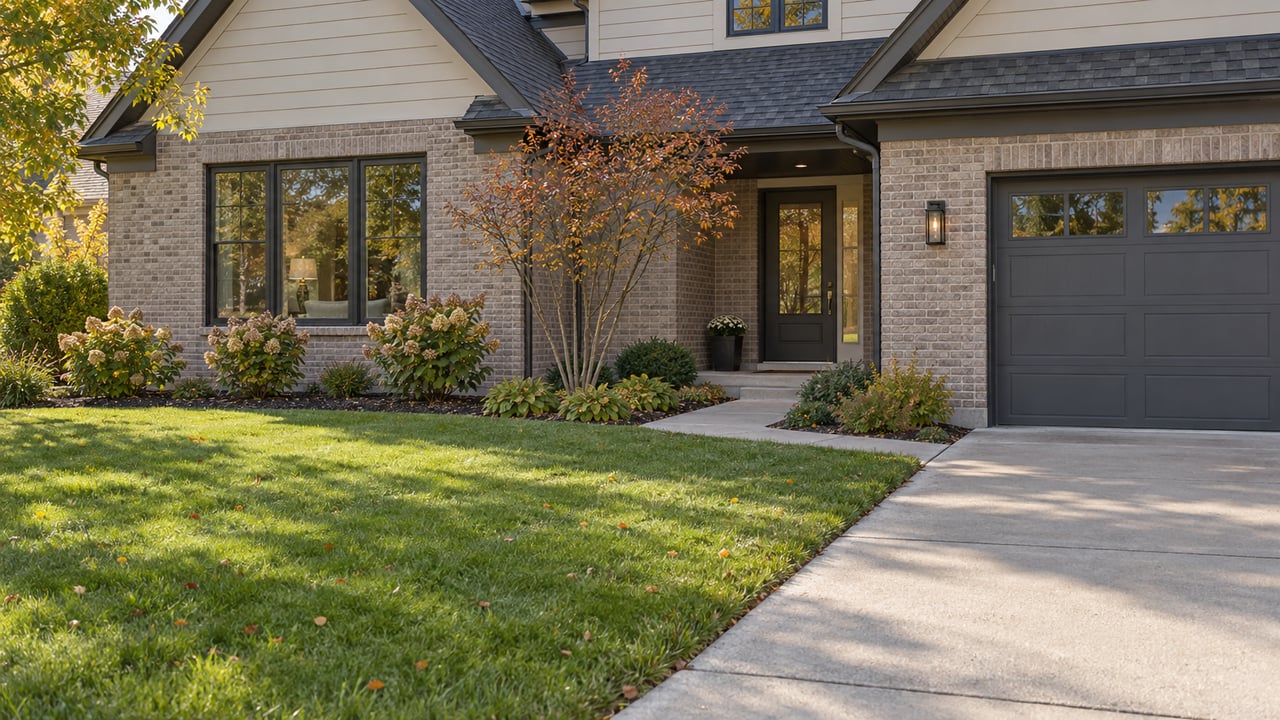
If you are buying your first rental in Omaha, the most common starting points are single-family homes, duplexes, and small multifamily properties. Each one can work, but each comes with a different balance of price, income, and day-to-day effort.
Single-family homes
Single-family homes are often the easiest place to begin. They are usually simpler to manage, easier to finance for many buyers, and familiar to investors who already understand the owner-occupied market.
The tradeoff is vacancy risk. If the property is empty, your rent drops to zero until you place a new tenant. That is why purchase price, repair needs, and realistic rent estimates matter so much.
Duplexes
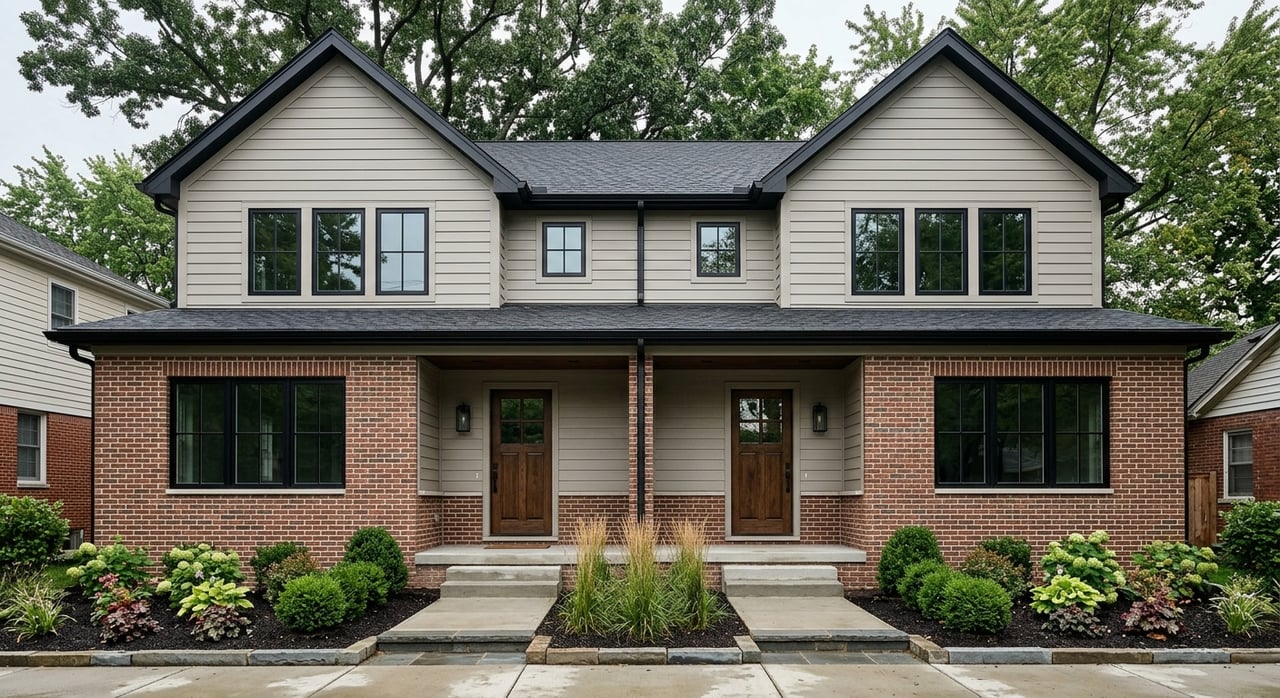
A duplex can be a strong middle-ground option. With two units, you are less exposed if one side becomes vacant, and you may be able to spread certain operating costs across more income.
That said, duplexes can bring more maintenance and more tenant coordination. If you are considering an older property, be extra careful about major systems and deferred repairs.
Small multifamily properties
Small multifamily properties can improve income density, but they usually require stronger reserves and a higher management tolerance. They can make sense if you want more doors under one roof, but they are not always the easiest first step.
In Omaha, newer multifamily stock tends to command higher rents. CBRE reported average asking rent of $1,499 per unit for properties built from 2010 to 2025, compared with $1,300 metro-wide in Q1 2026. The higher rents can be attractive, but they often come with a higher entry price too.
Understand Omaha rent and price ranges
One of the biggest mistakes new investors make is relying too heavily on citywide averages. Omaha is a market where zip-code-level differences matter, and local comps usually tell you more than a broad metro number.
PropMetrics reported a citywide median asking rent of $1,306 and a citywide median list price of $284,500. That is useful for context, but it should only be your starting point.
Here is a quick look at how a few Omaha zip codes compare:
| ZIP Code | Median Asking Rent | Median List Price | Gross Rent-to-Price Ratio |
|---|---|---|---|
| 68106 | $1,825 | $285,000 | 7.7% |
| 68104 | $1,450 | $220,000 | 7.9% |
| 68144 | $1,420 | $320,000 | 5.3% |
| 68127 | $1,128 | $284,500 | 4.8% |
| 68114 | $1,435 | $515,000 | 3.3% |
| 68110 | $1,391 | $174,900 | 9.5% |
These numbers show why neighborhood-level screening matters. Lower-price areas can appear to offer higher gross yield, while higher-price areas may compress your initial return.
That does not mean the highest gross ratio is automatically the best deal. Some medians can be skewed by listing mix or a small sample size, so you should always verify rent with property-level comps before making an offer.
Use simple underwriting first
When you are just starting out, it helps to use a simple first-pass screen before you dig into deeper analysis. A common example is annual rent divided by purchase price.
Using Omaha’s citywide median asking rent of $1,306 and median list price of $284,500, the gross annual rent-to-price ratio is about 5.5%. That is only a screening tool. It is not the same as a cap rate, and it does not account for vacancy, taxes, insurance, repairs, management, or reserves.
A simple screen can help you decide whether a property is worth a closer look. After that, you need to estimate the real operating picture.
Expenses new investors should not overlook
If you want a more realistic view of cash flow, make room for:
- Vacancy
- Property taxes
- Insurance
- Repairs and routine maintenance
- Capital reserves
- Property management, if you will not self-manage
- Utility costs, if the owner pays any portion
One local cost that deserves attention is sewer work. Omaha Public Works states that maintenance and repair of service laterals are the property owner’s responsibility from the building to the point where the line connects to the main sewer. On older houses and duplexes, that can turn into a major surprise expense if you do not inspect carefully.
Focus on property types with broad demand
If you are trying to keep your first investment simple, it often helps to target layouts that appeal to a wide range of renters. In Omaha, bedroom-level rent data can give you a useful starting point.
PropMetrics reported these median asking rents by unit type:
- Studio: $880
- 1-bedroom: $950
- 2-bedroom: $1,316
- 3-bedroom: $1,750
- 4-bedroom: $2,100
With Omaha’s average household size at 2.37 persons, 2-bedroom and 3-bedroom units are often a practical place to focus. They tend to sit in a broad demand band and can give you flexibility whether you are evaluating a single-family home, townhome, or duplex unit.
Check zoning and permits before you renovate
A lot of first-time investors assume they can buy a property, update it, and change the use later if needed. In Omaha, that can create problems if you do not verify the rules first.
If you plan to change use, add units, or renovate enough to change occupancy classification, Omaha’s ONEBiz guidance says you should confirm zoning, verify the use is allowed, pull the proper permits, and obtain a Certificate of Occupancy after final inspection.
This step matters most when you are looking at properties with value-add potential. A deal only works if your renovation plan is actually allowed and can be completed legally.
Know a few Nebraska landlord rules
Before you buy your first rental, it helps to understand a few basic rules that affect day-to-day ownership. Nebraska law limits a security deposit to one month’s periodic rent.
The law also allows a pet deposit of up to one-quarter of one month’s rent. After a tenancy ends, the remaining balance and a written itemization must be delivered or mailed within 14 days.
These rules may sound small, but they affect how you set expectations, collect funds, and handle turnover. If you are building a buy-and-hold plan, local compliance is part of the business model.
A smart first deal in Omaha
In Omaha, the strongest first investment is usually not the flashiest property. It is often the one with a defensible rent, a purchase price that leaves room for normal expenses, and a repair scope you can actually handle.
That is why discipline matters here. Omaha can reward patient investors who buy with clear numbers and realistic reserves, but it is not a market where broad optimism should replace deal analysis.
If you are comparing single-family homes, duplexes, or small multifamily options around Omaha, having local data and property-level context can save you time and help you avoid expensive mistakes. If you want help identifying investor-friendly opportunities and pressure-testing the numbers, Skyler Bauer can help you take the next step with local insight and a responsive, no-drama process.
FAQs
Is Omaha a good place to start real estate investing?
- Omaha can be a solid place to start if you want a stability-focused market with steady rental demand, but deals still need careful underwriting and realistic expectations.
What is a good first investment property type in Omaha?
- For many new investors, single-family homes and duplexes are the most practical starting points because they are often easier to understand and manage than larger multifamily properties.
What rent should you expect for an Omaha rental property?
- Recent Omaha median asking rents reported by PropMetrics were $880 for studios, $950 for 1-bedroom units, $1,316 for 2-bedroom units, $1,750 for 3-bedroom units, and $2,100 for 4-bedroom units.
What Omaha areas may show stronger rental yield on paper?
- Some lower-price zip codes, such as 68110, 68104, and 68106, show higher gross rent-to-price ratios in current data, but each property should still be verified with local comps and condition review.
What local rule should Omaha investors know before renovating?
- If you want to change a property’s use, add units, or make major occupancy-related changes in Omaha, you should confirm zoning, obtain permits, and secure a Certificate of Occupancy after final inspection when required.
What should first-time Omaha investors watch for in older properties?
- Older homes and duplexes may carry hidden repair risks, including sewer lateral issues, and Omaha Public Works states the property owner is responsible for the service lateral from the building to the sewer main connection point.