Choosing between old-school charm and newer suburban convenience is not always easy, especially in Elkhorn. You may love the idea of a historic main street, or you may be focused on newer floor plans, larger homes, and a more planned neighborhood layout. This guide will help you compare Old Town Elkhorn and the newer westside neighborhoods so you can decide which setting fits your daily routine, home goals, and lifestyle best. Let’s dive in.
Old Town Elkhorn at a Glance
Old Town Elkhorn is the historic core of the community. The Elkhorn Commercial Historic District covers four blocks in the original town plat around North Main Street and North 205th Street, and Elkhorn itself began as a Union Pacific Railroad stop in the mid-1860s.
Even though Omaha annexed Elkhorn in 2005, this area still feels like the original heart of town. The streetscape, smaller-scale buildings, and older layout give it a distinct identity that stands apart from newer parts of west Omaha.
Newer Westside Neighborhoods at a Glance
The newer westside neighborhoods tell a different Elkhorn story. These areas reflect later suburban growth, with development patterns shaped more by modern subdivision planning than by the original town grid.
As you move farther west, the housing stock generally becomes newer. Research for the broader Elkhorn area notes a median year built of 2006, with many homes showing New Traditional and Craftsman influences and a median lot size of about 10,890 square feet.
Street Layout and Daily Feel
Why Old Town Feels Different
Old Town Elkhorn tends to feel tighter, more compact, and more walkable. That comes from its original town plat, its older building stock, and the kind of pre-World War II street pattern that usually creates a more connected grid.
In practical terms, that can mean a day-to-day rhythm where a quick errand can turn into a short stroll. The area feels less uniform and more layered, which is often what draws buyers who want character over sameness.
Why Westside Feels Newer
Newer westside neighborhoods usually feel more planned and more car-oriented at the block level. Omaha’s broader development pattern shows that post-World War II neighborhoods often shifted toward arterial roads and meandering local streets, and that pattern helps explain the feel of newer Elkhorn subdivisions.
For you, that often means easier navigation by car, a more structured subdivision layout, and neighborhoods that were designed around modern residential growth. If you prefer predictable street patterns within newer developments, this side of Elkhorn may feel more familiar.
Home Styles and Lot Expectations
Old Town Housing Character
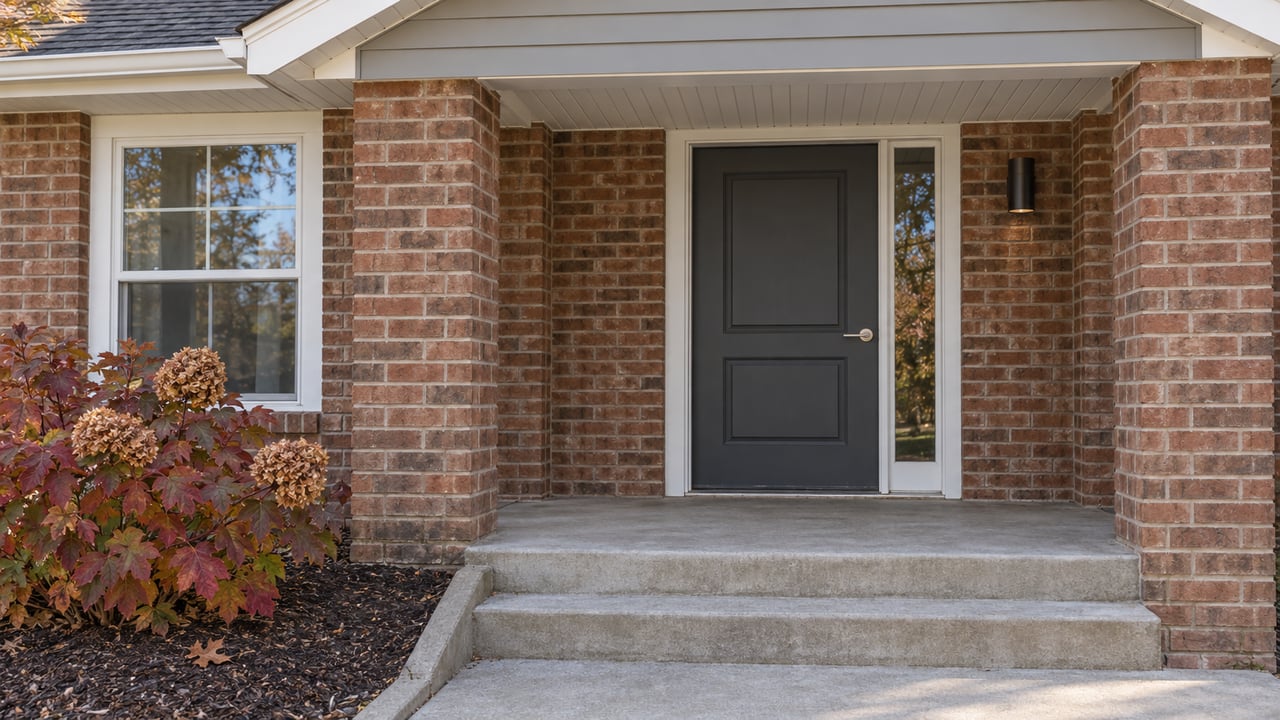
Old Town Elkhorn is more about character than uniformity. The historic district includes mostly vernacular buildings, with modest one-story commercial blocks and a smaller number of two-story corner buildings, and the surrounding residential feel generally follows that smaller-scale pattern.
If you are drawn to older façades, established streets, and homes that may feel less cookie-cutter, Old Town may stand out. In general, homes near the historic core tend to be older and smaller than what you will usually see farther west.
Westside Home Style and Size
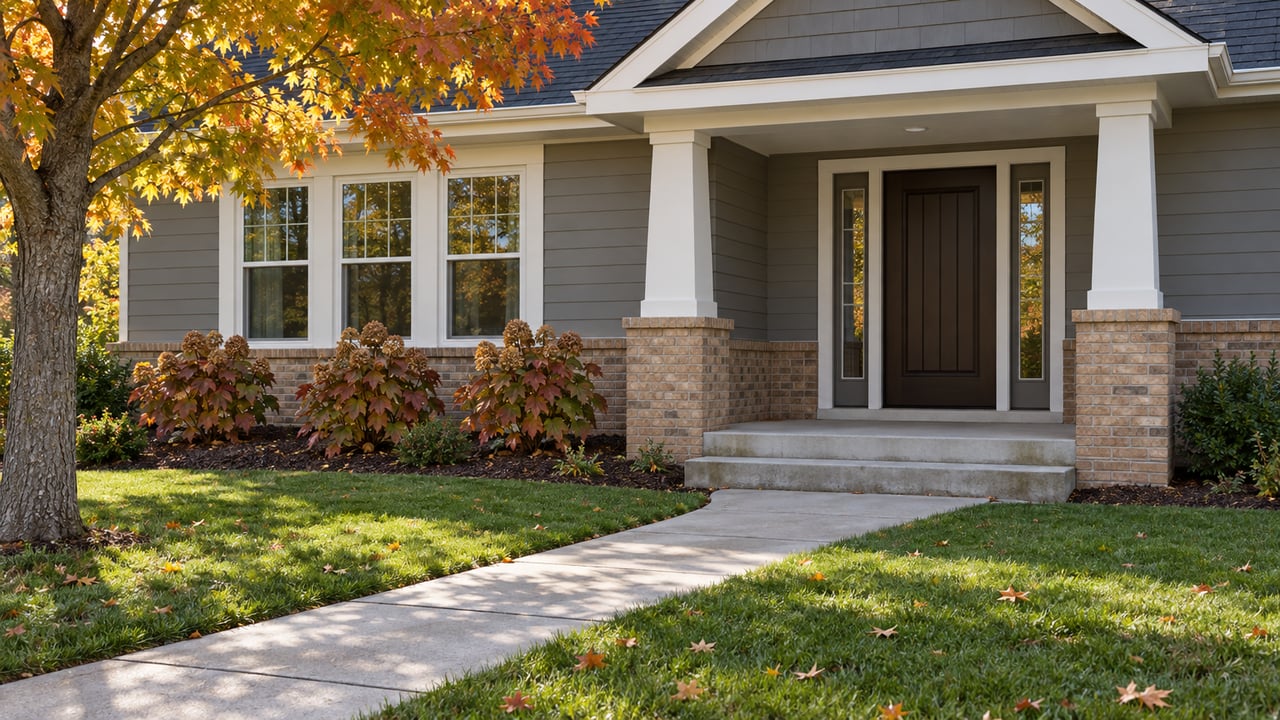
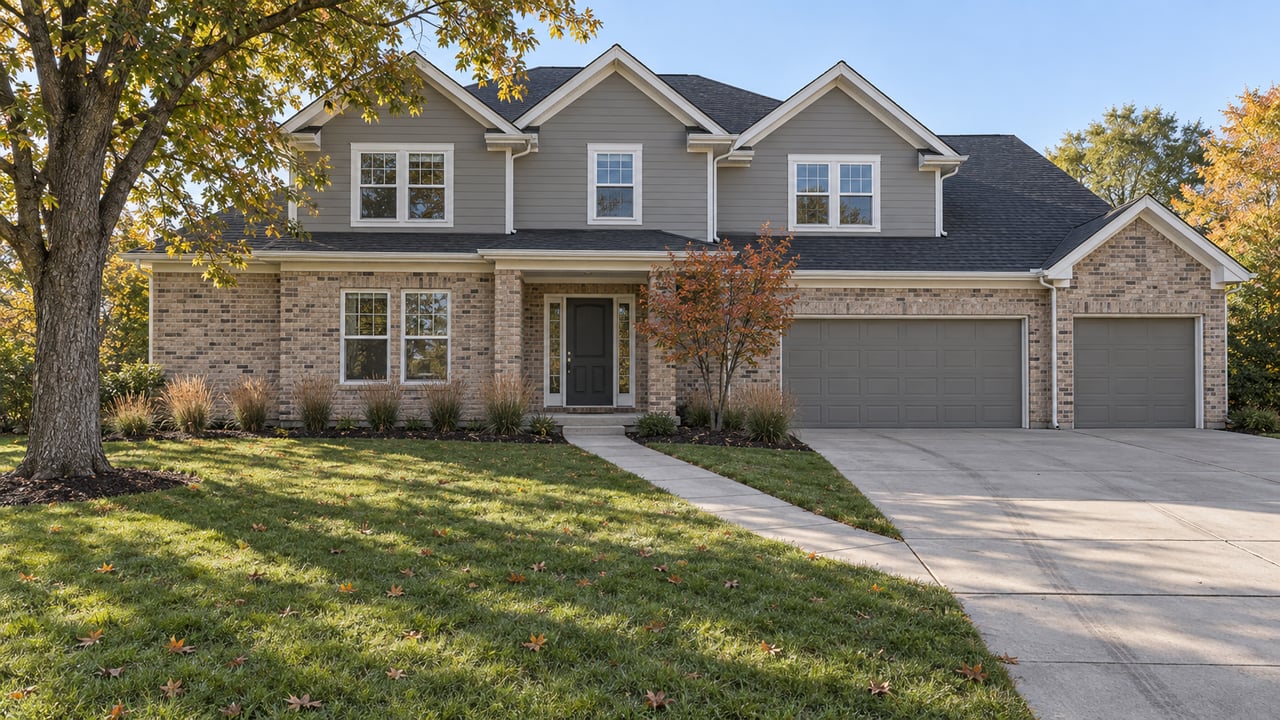
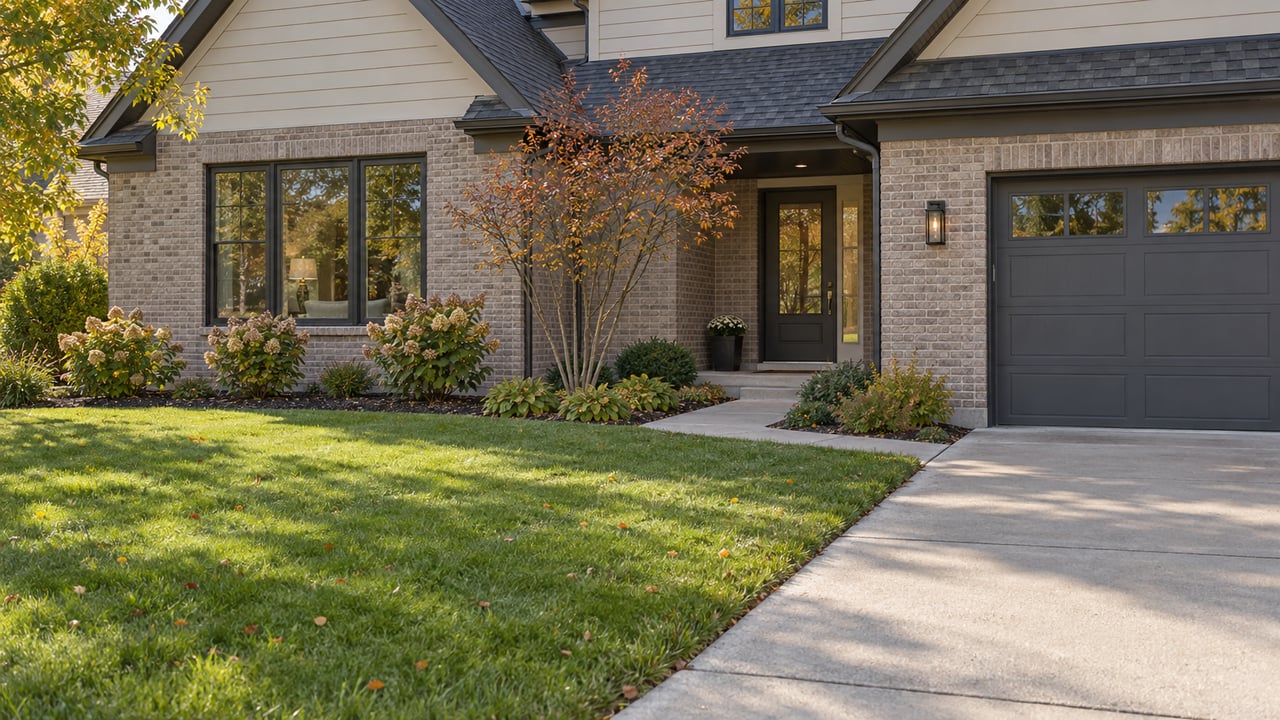
The newer westside neighborhoods are often what move-up buyers picture when they think of suburban Elkhorn. Many homes were built in the 2000s and later, and the design language commonly includes New Traditional and Craftsman styles.
You may also notice a stronger subdivision feel in some areas, including HOA-governed neighborhoods in parts of South Elkhorn. For buyers who want more modern floor plans, newer finishes, and a more recently built home, westside neighborhoods often line up with those priorities.
Amenities and Lifestyle Patterns
Old Town for Local Stops
Old Town Elkhorn is built around a browse-and-dine routine. Local visitor and community sources describe a walkable cluster of historic buildings with boutiques, galleries, coffee shops, restaurants, and breweries.
That creates a daily feel that is more about local stops and shorter outings. If you like the idea of spending time in a compact business district with a historic backdrop, Old Town offers something the newer subdivisions usually do not.
Westside for Corridors and Destinations
Newer westside neighborhoods tend to organize daily life around larger retail and service corridors. A good example nearby is Village Pointe in West Omaha, an open-air center with more than 60 shops and restaurants and a layout built around storefront parking and destination visits.
For recreation, the west side also connects well to broader outdoor options, including the Elkhorn River water trail planning resources from Nebraska Game & Parks. That gives the area a more drive-to-it pattern for errands, dining, and weekend recreation.
Which Side Fits Your Priorities?
If you are deciding between Old Town Elkhorn and newer westside neighborhoods, it helps to focus on how you want your home and neighborhood to function day to day.
Here is a simple way to think about the difference:
Choose Old Town Elkhorn if you value:
- Historic character
- A smaller-scale setting
- Older architecture and brick-street charm
- A walkable local business district
- A neighborhood feel that is less uniform
Choose newer westside neighborhoods if you value:
- Newer construction
- More modern floor plans
- Larger homes and generally larger lots
- Planned subdivision patterns
- Easier access to major shopping and service corridors
Neither option is better across the board. It really comes down to whether you want character and a traditional town-center feel, or newer construction and a more modern suburban layout.
What Buyers Often Miss
Many buyers focus first on square footage or finishes, but the neighborhood pattern matters just as much. The way streets connect, how often you need to drive, and whether your errands feel local or destination-based can shape your experience long after move-in day.
That is why side-by-side neighborhood comparisons are so useful in Elkhorn. Two homes may both be in the same broader area, but Old Town and the newer westside neighborhoods can deliver very different day-to-day experiences.
How to Tour Elkhorn Smarter
If you are home shopping in Elkhorn, try touring both settings with a clear checklist. Photos can show finishes, but they do not always show how a neighborhood feels in real life.
As you compare areas, pay attention to:
- Street layout and traffic flow
- Home age and exterior style
- Lot size and spacing between homes
- Distance to dining, shopping, and recreation
- Whether the area feels more walkable or more drive-oriented
- How much neighborhood uniformity you want
Seeing both sides of Elkhorn in person can make your decision much easier. It helps you move beyond general impressions and focus on what actually fits your routine.
If you want help narrowing down where to look in Elkhorn, Skyler Bauer can help you compare neighborhoods, schedule showings, or get a free home valuation.
FAQs
What is the difference between Old Town Elkhorn and westside Elkhorn?
- Old Town Elkhorn is the historic original core with a compact, walkable feel and older buildings, while westside Elkhorn is generally defined by newer subdivisions, newer homes, and a more car-oriented layout.
Are homes in Old Town Elkhorn older than homes farther west?
- Yes. Research shows that the historic core has older building stock, while many homes in the broader westside Elkhorn area were built in the 2000s and later.
Do newer westside Elkhorn neighborhoods usually have larger lots?
- In general, they tend to offer larger homes and more suburban lot patterns, and area research notes a median lot size of about 10,890 square feet.
Is Old Town Elkhorn more walkable than newer westside neighborhoods?
- Old Town usually feels more walkable because of its original town plat, tighter layout, and cluster of local shops, restaurants, and other small businesses.
What kind of amenities are near newer westside Elkhorn neighborhoods?
- Newer westside areas tend to connect more closely to larger retail and service corridors, dining destinations, and outdoor recreation options used by car.
Which Elkhorn area is better for newer construction homes?
- If newer construction is high on your list, the westside neighborhoods are generally the stronger fit because that is where more 2000s-era and newer development is concentrated.