Wondering whether you should buy an acreage property or stick with a suburban neighborhood in Gretna? It is a smart question, because these two options can lead to very different day-to-day experiences. If you are trying to balance space, privacy, convenience, and long-term upkeep, this guide will help you compare what matters most in Gretna so you can choose with confidence. Let’s dive in.
What Acreage Living Means in Gretna
In the Gretna area, “acreage living” is more than a casual real estate label. In Sarpy County, larger parcels often fall into different zoning categories, including RE1 for 1+ acre lots, RE2 for 2+ acres, AGR for 5+ acres, AGD for 10+ acres, and AG for 20+ acres. That matters because zoning can shape what you can do with the land and what kind of uses are allowed.
For example, Sarpy County’s AGR district is intended as a transition from agricultural land to low-density residential use. It allows single-family homes and certain accessory uses, including private barns. In simple terms, acreage properties often come with more flexibility than a standard subdivision lot, but they also come with different expectations.
What Suburban Neighborhoods Offer
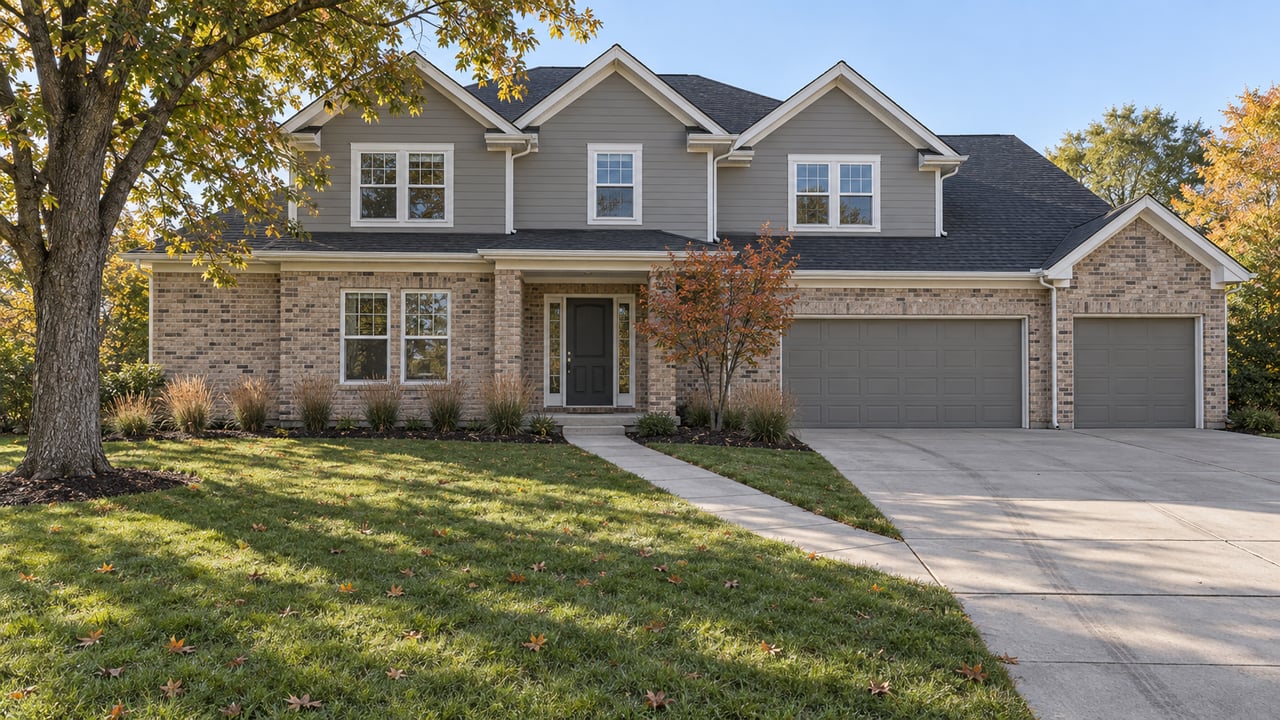
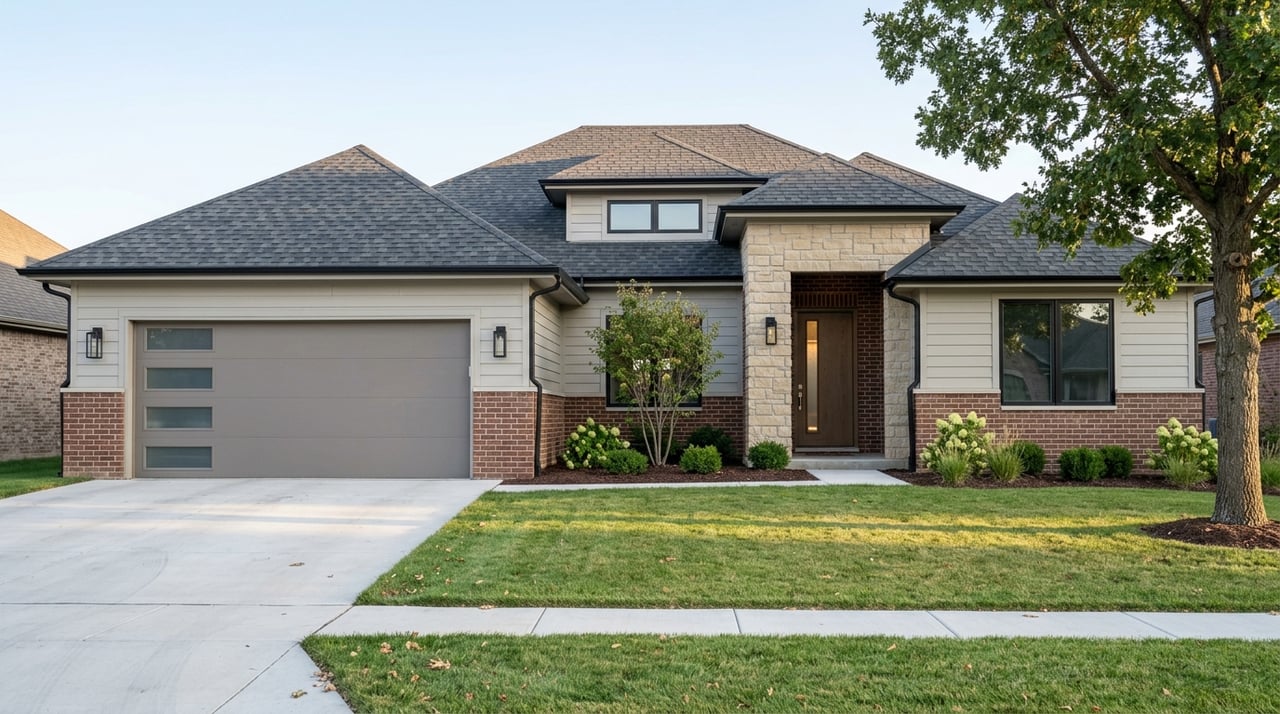
Suburban neighborhoods in Gretna usually provide a more standardized ownership experience. Lots are typically smaller, home styles may be more consistent, and daily upkeep is often simpler than it is on a large parcel. For many buyers, that predictability is a major advantage.
Gretna’s planning documents also point toward a growing suburban core. The city’s long-range planning emphasizes more housing diversity, stronger connectivity, added amenities, and increased density within city limits. That makes suburban neighborhoods a strong fit if you want convenience and a more typical neighborhood pattern.
Space and Privacy vs Everyday Maintenance
One of the biggest reasons buyers look at acreage homes is space. More land can give you more privacy, more separation from neighbors, and more room for storage, hobbies, pets, or outdoor improvements. If you have a clear use for the land, acreage living can feel like a great match.
At the same time, more land usually means more work. Mowing, snow removal, grading, driveway upkeep, and general outdoor maintenance can take more time and equipment than they would on a subdivision lot. Before you fall in love with extra space, it helps to ask yourself whether you want to use that land or simply maintain it.
When Acreage May Be a Better Fit
Acreage living may make sense if you want:
- More privacy and separation
- Space for hobbies or equipment
- Room for accessory buildings where zoning allows
- A lower-density setting
- Greater flexibility in how you use the property
If those benefits match your lifestyle, the extra upkeep may feel worth it.
When a Suburban Lot May Be Easier
A suburban neighborhood may be the better fit if you want:
- Simpler yard maintenance
- A more predictable lot and home setup
- Closer access to shopping and major roads
- Easier day-to-day ownership
- A home that fits a more common buyer profile later on
If convenience is a top priority, suburban living often checks more boxes.
Utilities Matter More Than Many Buyers Expect
In Gretna, utility service can vary quite a bit, especially around the edges of town. The city provides water and sewer service to city residents and also to several surrounding Sanitary Improvement Districts. The city’s planning materials also show that some areas outside municipal limits still receive city water.
That means a property that feels “outside town” might still be tied to municipal utilities, a SID arrangement, or private systems. You cannot assume the setup based on the address alone. In Gretna, this is something you need to verify property by property.
Private Well and Septic Considerations
If a home is not connected to public sewer, Nebraska requires an onsite wastewater treatment system that complies with state rules, unless the property connects to a public sewer system or other wastewater works. For private wells, the state does not regulate them directly and recommends annual sampling so owners can check for bacteria and nitrate.
This is one of the biggest practical differences between acreage properties and many suburban homes. Utility due diligence can affect not only your maintenance routine, but also your financing process.
Financing Can Be Affected
Nebraska’s well-and-septic evaluation program notes that lenders often require inspections of onsite water and wastewater systems before approving a loan. So if you are buying an acreage property with private systems, you may need to plan for a few more steps during the transaction.
That does not mean acreage is a bad option. It simply means the process may require more investigation than a more conventional subdivision purchase.
Costs Can Look Different Outside City Limits
Another detail that surprises some buyers is utility cost structure. Gretna’s current city ordinance shows that users outside the corporate limits can be charged more for water and sewer service than users inside the city. The exact rates can change over time, but the policy difference is worth paying attention to.
So even if a fringe property has access to municipal service, the cost profile may still differ from a home inside city limits. This is one more reason to look beyond the listing description and verify the details early.
Commute and Convenience in Gretna
Suburban neighborhoods often have the edge when it comes to access and convenience. Nebraska Crossing Outlets is accessible from I-80 Exit 432, and homes closer to major corridors can appeal to buyers who want easier regional travel and nearby shopping. If your routine depends on quick access in and out of town, location can play a major role in your decision.
Gretna’s comprehensive plan also supports more connected development inside corporate limits. That planning direction lines up with what many suburban buyers want: easier access to amenities, more connected neighborhoods, and a less spread-out daily routine.
Schools and Daily Routines
For many buyers, school access is part of the suburban-versus-acreage comparison. Gretna Public Schools currently lists Gretna East High School, Gretna High School, Aspen Creek Middle School, Gretna Middle School, and multiple elementary schools. Depending on where you buy, proximity and transportation routines may differ.
This does not make one option better than the other. It just means your home search should include practical questions about your weekly schedule, drive times, and the locations you expect to visit most often.
Resale Can Be Different Too
A suburban home often appeals to a broader range of buyers because it comes with a familiar package: a standard lot, common utility setup, and a more typical neighborhood layout. That can create a more predictable resale path. Buyers often understand what they are getting right away.
Acreage homes can be highly desirable, but they are usually more specialized. The buyer is evaluating not just the house, but also the land, utility setup, possible accessory buildings, and ongoing maintenance needs. That can narrow the buyer pool, even when the property is a great fit for the right person.
Permits and Property Changes
If you are thinking ahead to improvements, permits matter. Sarpy County says permits are required for many common accessory projects, including decks, fences, detached garages, sheds, pools, and grading that disturbs more than 1 acre. If a property is outside city extraterritorial limits, the Sarpy County Building Department is the permit authority.
This is especially relevant for acreage buyers who may already be thinking about future additions or land improvements. Before you assume a project is simple, it is wise to confirm what approvals may be needed.
How to Choose the Right Fit
The best choice usually comes down to how you want to live, not just how much land you can buy. If you value privacy, flexibility, and room for outdoor uses, acreage living may be worth the added maintenance and due diligence. If you want convenience, easier upkeep, and a more standardized ownership experience, a suburban neighborhood may be the better match.
In Gretna, the decision is especially local. Some fringe properties are under county zoning, some connect to city or SID utilities, and some rely on private well and septic. That is why parcel-level research matters so much here.
If you are weighing acreage living versus a suburban neighborhood in Gretna, having local guidance can save you time and help you avoid surprises. Skyler Bauer can help you compare properties, narrow down what fits your lifestyle, and move forward with a clear plan.
FAQs
What does acreage living usually mean in Gretna?
- In the Gretna area, acreage living usually means a property on a larger parcel that may fall under county zoning categories such as RE1, RE2, AGR, AGD, or AG, rather than a standard subdivision lot inside a more typical neighborhood layout.
What is the biggest difference between Gretna acreage homes and suburban homes?
- The biggest difference is often the full property setup, including zoning, utility service, maintenance needs, and flexibility for accessory uses, not just the amount of land.
Do Gretna acreage properties always use private well and septic?
- No. Some fringe properties may have city water and sewer or a SID utility arrangement, while others use private systems, so buyers should verify utilities for each specific property.
Are utility costs different outside Gretna city limits?
- They can be. Gretna’s ordinance shows that users outside corporate limits may be charged more for water and sewer service than users inside the city.
Are suburban neighborhoods in Gretna easier to maintain?
- In many cases, yes. Suburban lots are usually more standardized and often require less mowing, snow removal, and overall outdoor upkeep than larger acreage parcels.
Do lenders care if a Gretna-area home has a well and septic system?
- Yes, they often do. Nebraska’s well-and-septic evaluation program says lenders often require inspections of onsite water and wastewater systems before approving a loan.
Are permits required for common property improvements in Sarpy County?
- Yes. Sarpy County says permits are required for projects such as decks, fences, detached garages, sheds, pools, and grading that disturbs more than 1 acre.